L'art de vivre - Conseils et astuces pour une vie épanouissante
Découvrez l’art de vivre sur Le Blogue du Québec. Nous explorons les dernières tendances en matière de mode, de design d’intérieur, de gastronomie, de voyages et bien plus encore. Apprenez à créer un style de vie luxueux et inspirant avec nos articles de blog informatifs et nos guides pratiques. Nous vous offrons des conseils utiles pour améliorer votre qualité de vie et vivre pleinement chaque jour.
Précisez votre recherche en sélectionnant une sous-catégorie.
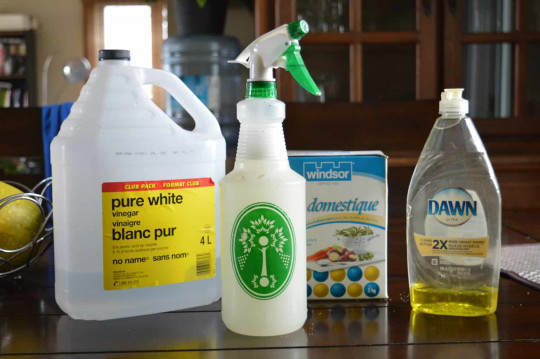
Un peu comme tous les jardiniers, je déteste et tente de combattre le plus possible les mauvaises herbes… J’ai cherché une solution maison, j’en ai trouvé une, je l’ai testé et ça FONCTIONNE TRÈS BIEN. J’ai même une photo avant et après… Aucun ingrédient compliqué que vous n’avez pas à la maison.
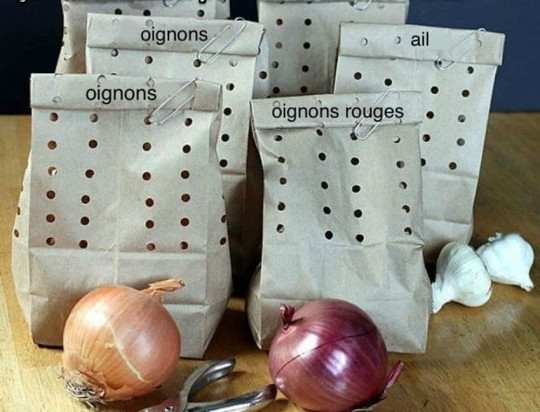
Si vous avez des problèmes à conserver votre ail et vos oignons, essayez ce truc, ça va vous permettre de conserver vos aliments plus longtemps, de sauver de l’argent et de jardiner plus efficacement. 🙂
Bon c’est officiel, j’ai attrapé mon traditionnel rhume du mois de novembre. J’ai le nez bouché, je tousse et je feel pas… C’est le temps de sortir un petit remède maison contre la grippe d’homme!
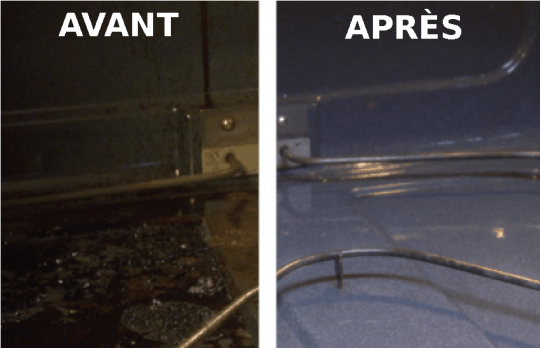
Si votre four est bien solidement encrassé et que vous avez décidé que c’est le temps d’en faire un grand nettoyage, j’ai une solution facile et naturelle pour vous.
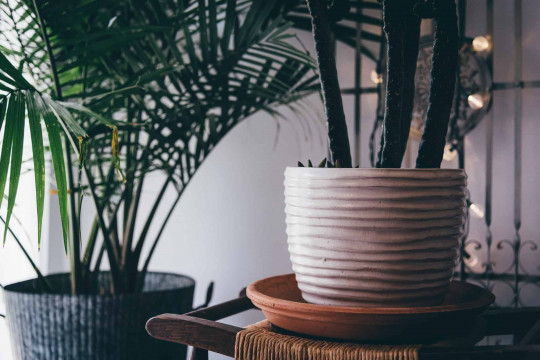
L’automne est arrivé et inévitablement on va passer beaucoup plus de temps à l’intérieur en plus de fermer les fenêtres! Un bon truc pour avoir de l’air frais est d’ajouter quelques plantes vertes à sa décoration 🙂
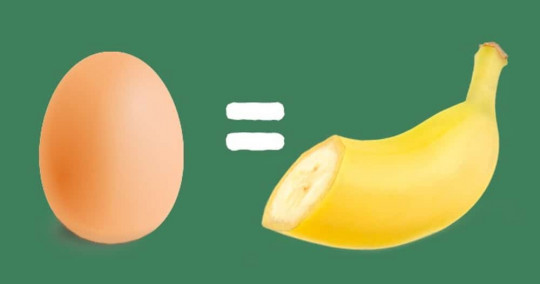
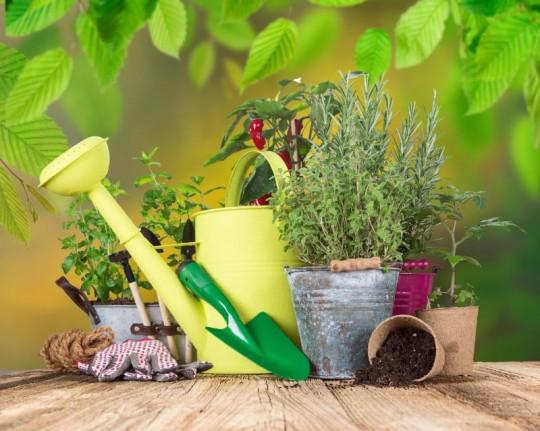
Pour économiser de l’argent et par soucis d’écologie, je vous suggère plusieurs petits trucs afin de réutiliser des produits de tous les jours pour nourrir votre jardin et vos plantes 🙂